
In one sentence
The book presents deal-making less as a technical discipline than as a performance of confidence, scale, persistence, publicity, and perceived power. Trump’s stated method is to pursue conspicuous opportunities, improve his negotiating position through leverage and alternatives, and convert attention into value. Because the narrative is deliberately self-mythologizing—and Tony Schwartz later said he substantially wrote it—the book is best read both as advice and as an artifact of reputation-con
Overview
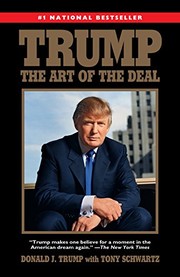
Published by Random House in 1987, the book combines autobiography, business case studies, and a concise list of negotiating principles. It moves through Trump’s early work with his father, Manhattan projects, Atlantic City ventures, and public disputes, framing each episode as evidence of his instincts. The original edition was 256 pages; later editions, including a 2015 Ballantine paperback, run about 384 pages.
Core ideas
Think beyond the obvious scale
Trump repeatedly favors projects with symbolic or visible impact rather than merely modestly profitable ones. “Big” projects can attract financing, media attention, tenants, partners, and political support—but scale also magnifies debt, execution risk, and reputational damage.
Protect the downside while pursuing upside
A recurring claimed tactic is to structure deals so that risk is limited or shifted to lenders, partners, contractors, or public authorities. The useful principle is to identify who bears each risk; the limitation is that the book often treats favorable outcomes as evidence of superior judgment rather than examining failures or hidden costs.
Maximize options and maintain leverage
The book stresses keeping multiple paths open, cultivating alternatives, and avoiding dependence on a single counterparty. Leverage may come from money, timing, scarcity, publicity, political relationships, or the credible possibility of walking away.
Use perception as an economic asset
Branding, naming, design, location, and publicity are presented as ways to make an ordinary property seem exceptional. Trump’s account treats attention as part of the product: prestige can raise rents, attract partners, and change how negotiations unfold.
Know the market—and the people in it
The stated method includes studying comparable properties, local conditions, financing, personalities, and institutional incentives. Negotiation is portrayed as psychological: understand what the other side wants, fears, needs to justify, or cannot easily admit.
Fight publicly when attacked
Trump describes confrontation and counterattack as deterrence. The practical lesson is to defend one’s position rather than concede under pressure; the danger is escalation, damaged relationships, and confusing visibility with effectiveness.
Persistence can overcome bureaucratic resistance
Several episodes celebrate sustained pressure on officials, unions, contractors, lenders, and other gatekeepers. Persistence matters, but the book’s hero-centered framing underplays the legitimacy of opposition and the possibility that delay reflects real public or technical constraints.
Deliver a visible result
The book repeatedly links credibility to completed, impressive projects. Execution, presentation, and perceived quality are treated as essential to converting a negotiated promise into durable reputation.
Practical takeaways
- Before negotiating, list your alternatives, your walk-away point, the other side’s alternatives, and who bears each major risk.
- Separate attention from value: publicity can improve bargaining power, but it does not prove that an asset, partnership, or project is economically sound.
- Use a project’s symbolic appeal strategically, while stress-testing financing, timelines, legal exposure, operating costs, and downside scenarios.
- Treat branding and presentation as commercial tools—not substitutes for customer value or reliable execution.
- Preserve optionality, but do not mistake constant renegotiation for good management; sometimes clarity and trust create more value than pressure.
- When reading the book as business advice, compare its success stories with independent evidence rather than accepting the narrator’s causal explanation.
Caveats and counterpoints
- This is not a neutral business textbook. It is a memoir and publicity vehicle built around Trump’s preferred image of himself as an unusually perceptive, forceful deal-maker. The publisher’s description likewise presents him as an exemplary American success story.
- Authorship is a major interpretive issue. Tony Schwartz is credited as co-author, but later said he ghostwrote most of the book and expressed deep regret that it presented Trump as more appealing and capable than he believed him to be. That later account does not automatically invalidate every business observation, but it complicates treating the first-person voice as direct evidence of Trump’s method.
- The narrative is selective: it foregrounds wins, memorable confrontations, and projects that support the thesis. It gives comparatively less analytical attention to failed ventures, debt exposure, counterparties’ perspectives, opportunity cost, or whether the same tactics generalize beyond celebrity real estate.
- Some advice depends on unusual advantages—wealth, name recognition, access to media, lawyers, lenders, and political or institutional networks. A small business owner cannot simply reproduce the bargaining position described in the book.
Questions worth revisiting
- Which claims about negotiation remain useful after removing Trump’s personal brand and access to capital?
- Where does persistence create value, and where does it merely transfer costs or delay resolution?
- Which projects are supported by independently verifiable economics rather than the narrator’s framing?
- How should a manager balance aggressive leverage with long-term trust and repeat relationships?
- What does the book omit about employees, tenants, contractors, public costs, and unsuccessful deals?
Return to this when…
Return to the book as a case study in entrepreneurial self-presentation, branding, and negotiation rhetoric—not as a standalone guide to sound finance. Revisit the eight core ideas before a major negotiation, then pair them with independent financial analysis, downside planning, and a stakeholder perspective.
References
- openlibrary.org
- openlibrary.org
- openlibrary.org
- openlibrary.org
- openlibrary.org
- openlibrary.org
- openlibrary.org
- books.google.com
- books.google.com
- openlibrary.org
- Trump: The Art of the Deal - Donald J. Trump, Tony Schwartz - Google Books
- Trump: The Art of the Deal by Donald J. Trump, Tony Schwartz: 9780399594496 | PenguinRandomHouse.com: Books
- en.wikipedia.org