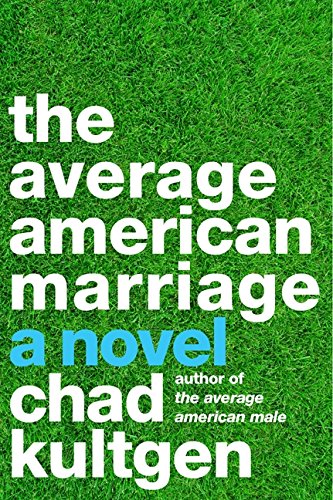

In one sentence
The novel presents marriage less as a romantic institution than as a pressure system built from habit, sexual frustration, economic dependence, parenting, and competing fantasies of freedom. Its central satire depends on whether the narrator’s ugliness is meant to expose a broader male culture—or merely display it.
Overview
The unnamed narrator is married to Alyna, has two children, and works a monotonous job. He treats domestic life, fatherhood, and sex as inconveniences to be managed while fantasizing about escape. An affair with Holly, a 21-year-old intern, turns his private dissatisfaction into visible consequences. The plot moves through marital counseling, separation, and attempts at reconciliation without treating the narrator as a reliable spokesman for “average” men.
Core ideas
The “average” as provocation
The narrator’s title is a claim designed to provoke: he frames selfishness, sexual fantasy, and marital boredom as ordinary male experience. Reviews sharply resist that claim, describing him as narcissistic, misogynistic, and unusually odious rather than representative.
Marriage versus desire
Marriage does not eliminate desire; it makes desire collide with routine, obligation, aging, and limited privacy. The narrator interprets this collision almost entirely through sex, which reveals both the intensity of his frustration and the narrowness of his emotional vocabulary.
The limits of the male gaze
Women are largely filtered through the narrator’s sexual judgments: wife, intern, coworker, or fantasy object. That one-sidedness can be read as an intentional portrait of misogynistic consciousness, but critics argue the novel often reproduces the objectification it might be trying to satirize.
Responsibility without transformation
The narrator is forced to confront consequences—family disruption, humiliation, and the instability of the affair—but consequence is not the same as moral insight. The book’s tension lies in watching someone want the privileges of family and freedom without accepting the costs of either.
Technology and mediated intimacy
Phones, photographs, pornography, and social media make private desire portable and discoverable. Technology does not create the narrator’s selfishness; it removes the protective boundary between fantasy and domestic life, making betrayal easier to enact and harder to conceal.
Satire’s unstable target
Kultgen uses blunt, pornographic, deadpan narration as a form of shock satire. One interpretation sees the excess as a critique of consumerist, sexually commodified masculinity; another sees the book as derivative and merely cynical. The disagreement is central to evaluating the novel.
Practical takeaways
- The narrator’s self-description should be treated as evidence of his worldview, not as neutral sociology.
- A relationship can become intolerable through accumulated avoidance rather than one dramatic incompatibility.
- Sexual dissatisfaction may be real without being a sufficient explanation for cruelty or betrayal.
- The novel is useful for thinking about how satire can expose a mindset while still being accused of indulging it.
- Notice how often the narrator converts emotional problems into logistical or sexual problems; that reduction is one of the book’s defining formal effects.
Caveats and counterpoints
- The novel is intentionally explicit, repetitive, misogynistic in language, and built around an unsympathetic narrator; readers may experience the provocation as monotonous rather than illuminating.
- Its claim to represent an “average” American marriage is not sociological evidence. Critics specifically object that the narrator is too extreme and that the female characters are too stereotyped to support that generalization.
- The wife and children receive far less interiority than the narrator, so the novel’s account of marriage is structurally one-sided.
- Some readers find the directness and obscenity darkly funny; others find the book derivative, dull, or depressing.
Questions worth revisiting
- Is the narrator meant to be an average man, an extreme case, or a deliberately inflated caricature?
- Does the novel criticize misogyny, or does it mainly give misogyny an entertaining platform?
- What does the narrator actually want: sexual variety, emotional recognition, freedom from responsibility, or permission to remain immature?
- How does Alyna’s limited viewpoint affect the reader’s understanding of the marriage?
- At what point does a satirical portrait become indistinguishable from endorsement?
- Does the narrator learn anything, or does he merely encounter consequences?
Return to this when…
Return to these notes when comparing transgressive fiction that uses an offensive narrator, especially when you need to distinguish an author’s satirical target from a character’s worldview. Pair it with The Average American Male to track how Kultgen extends the same narrator from bachelorhood into marriage and parenthood.
References
- THE AVERAGE AMERICAN MARRIAGE | Kirkus Reviews
- The Average American Marriage by Chad Kultgen | Goodreads
- Reviews - The Average American Marriage | The StoryGraph
- The Average American Series by Chad Kultgen
- goodreads.com
- The Average American Marriage by Chad Kultgen
- search.worldcat.org
- myentertainmentworld.ca
- luhathoughts.blogspot.com
- goodreads.com
- goodreads.com
- kirkusreviews.com